


Fourons raises buffer
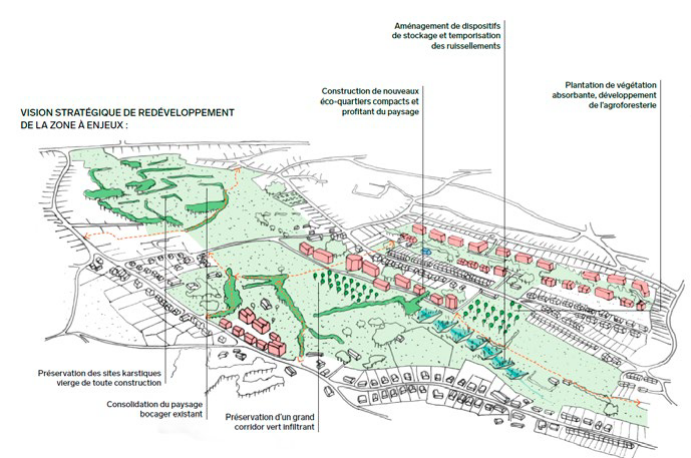
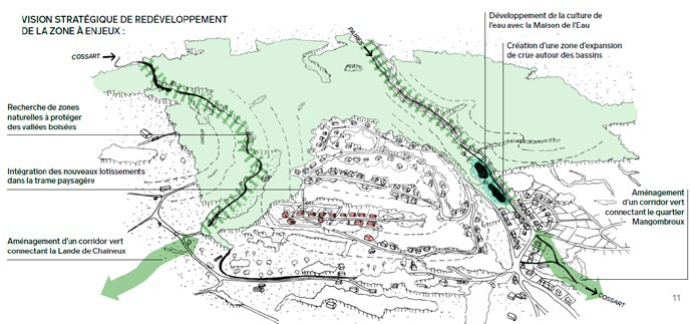
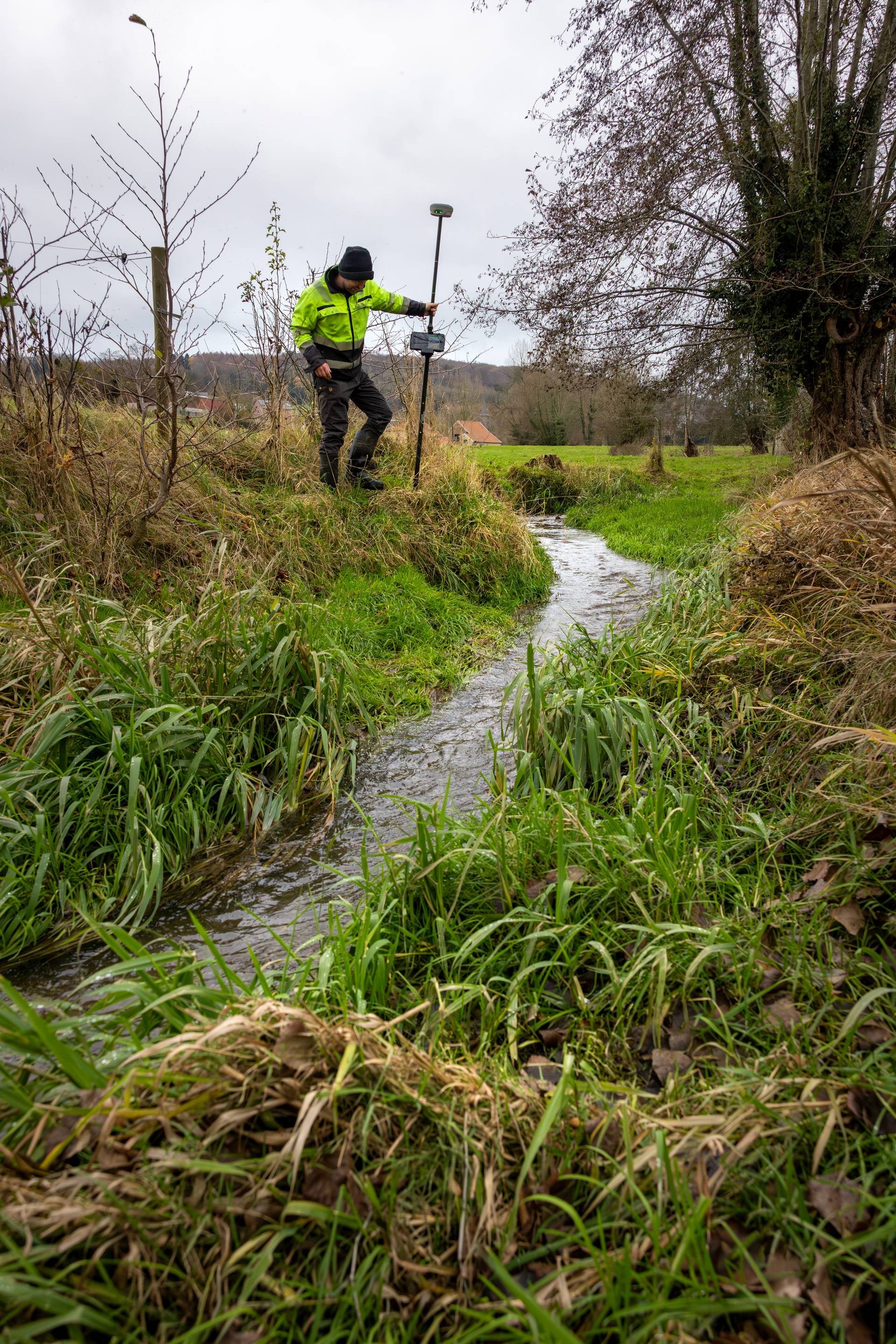
After heavy rainfall, the water rises up to a metre here. Streets, houses and gardens are flooded in no time. With 30,000 m of buffer capacity, we are giving Fourons its first flood protection. This capacity will eventually be doubled with extra buffers. And that’s not all: we are coupling the water reservoir smartly with ecological stream recovery. This results in a resilient integrated design that works for water and nature.
Everything starts with a macro analysis of the landscape, to reveal the layers and layout of the valley. This thematic unravelling leads to concrete locations and concept drawings which we translate into a technical action plan. We are making Fourons climate robust by allowing the landscape to work as a sponge again, by restoring streams, smartly managing water levels and removing hard surfaces.



Automation in action: logistics at top tempo
In Vottem, Lyreco is turning its distribution centre into an automated hub. Here, the Skypod robots from Exotec move both vertically and horizontally through the depot, remove crates from seven-metre high racks and take them to ergonomic work stations. The result: the handling of 400 orders an hour, less physical strain and a capacity that evolves with market demand.
We are coordinating this complex journey from A to Z. As project manager, we ensure that the installation of robots, racks and pathways is done seamlessly, without interrupting the daily deliveries. We monitor planning, budget and safety, and align with Lyreco, Exotec and the contractors. In this way, we are transforming a traditional warehouse into a future-proof distribution centre: faster, safer and ready for growth.


Coronmeuse: trendy peninsula by the Meuse
What was once a deserted industrial site is becoming a busy eco-district, which is reconnected with Liège city. With a mix of homes, schools, sports fields and more, a fresh breeze is blowing in Coronmeuse. With circular materials, we are ensuring an innovative design like no other. The muret empilable, a stacked wall built with local material, provides street furniture and is a habitat for insects.
A sunken grass land is included as our strategic spatial intervention, collecting rain so that not a drop disappears into the drain. In the prairie gardens, lesser calamint, lilac sage and over eighty other species provide an explosion of biodiversity. Further down, a new orchard is flourishing with 500 fruit trees, all old regional Liège varieties, reviving the local history. With a smart master plan, robust landscape architecture and in close collaboration with the residents, we are turning Coronmeuse into an attractive green hotspot.
.jpg)


.jpg)

"As a specialised architect, I approach each location by listening to its history and understanding its future challenges. In Coronmeuse, where the historical and ecological identity is particularly strong, we reused existing materials. This way, we preserve the character of the place while adapting it to today's needs."
Liège bounces back
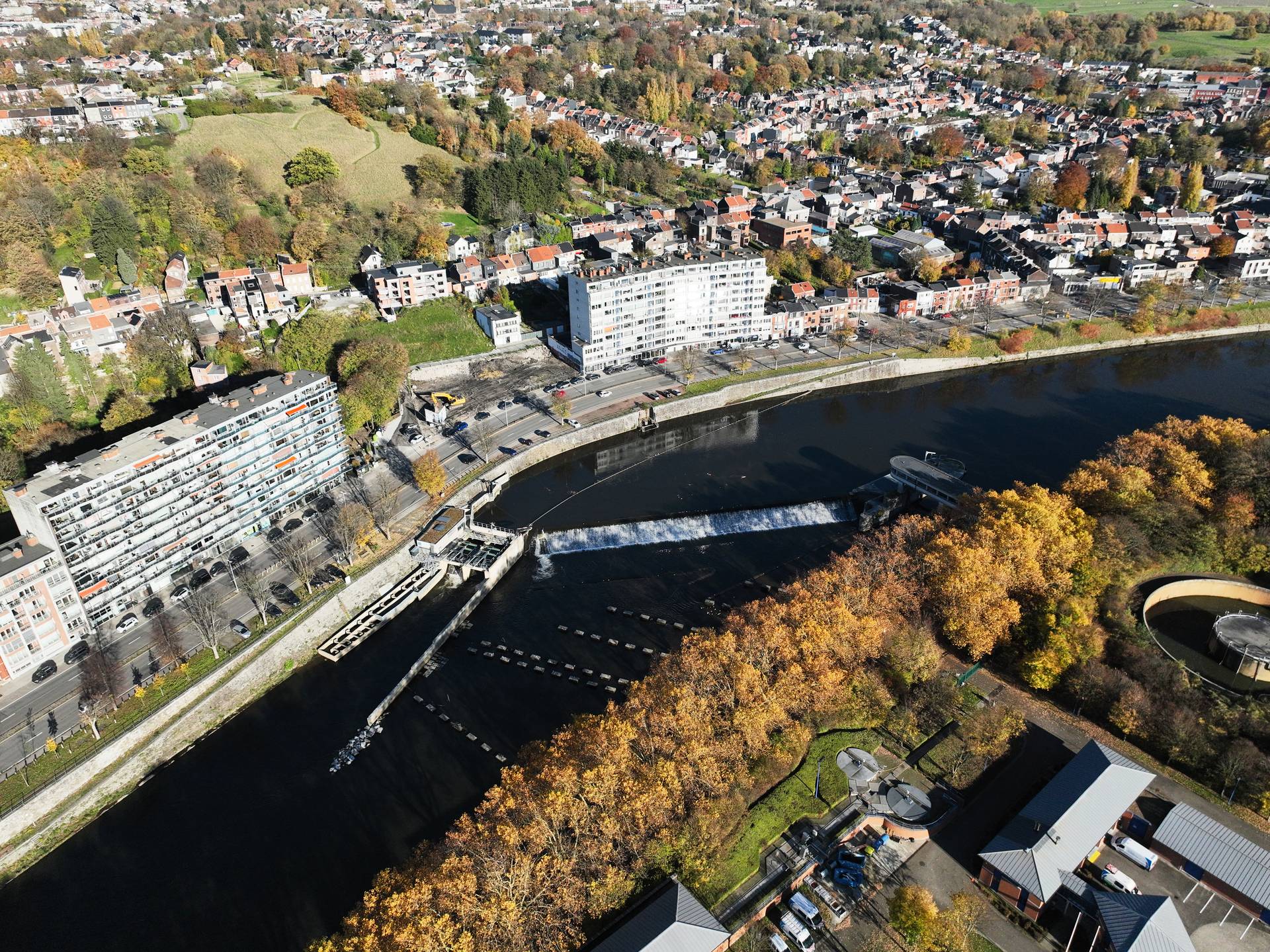
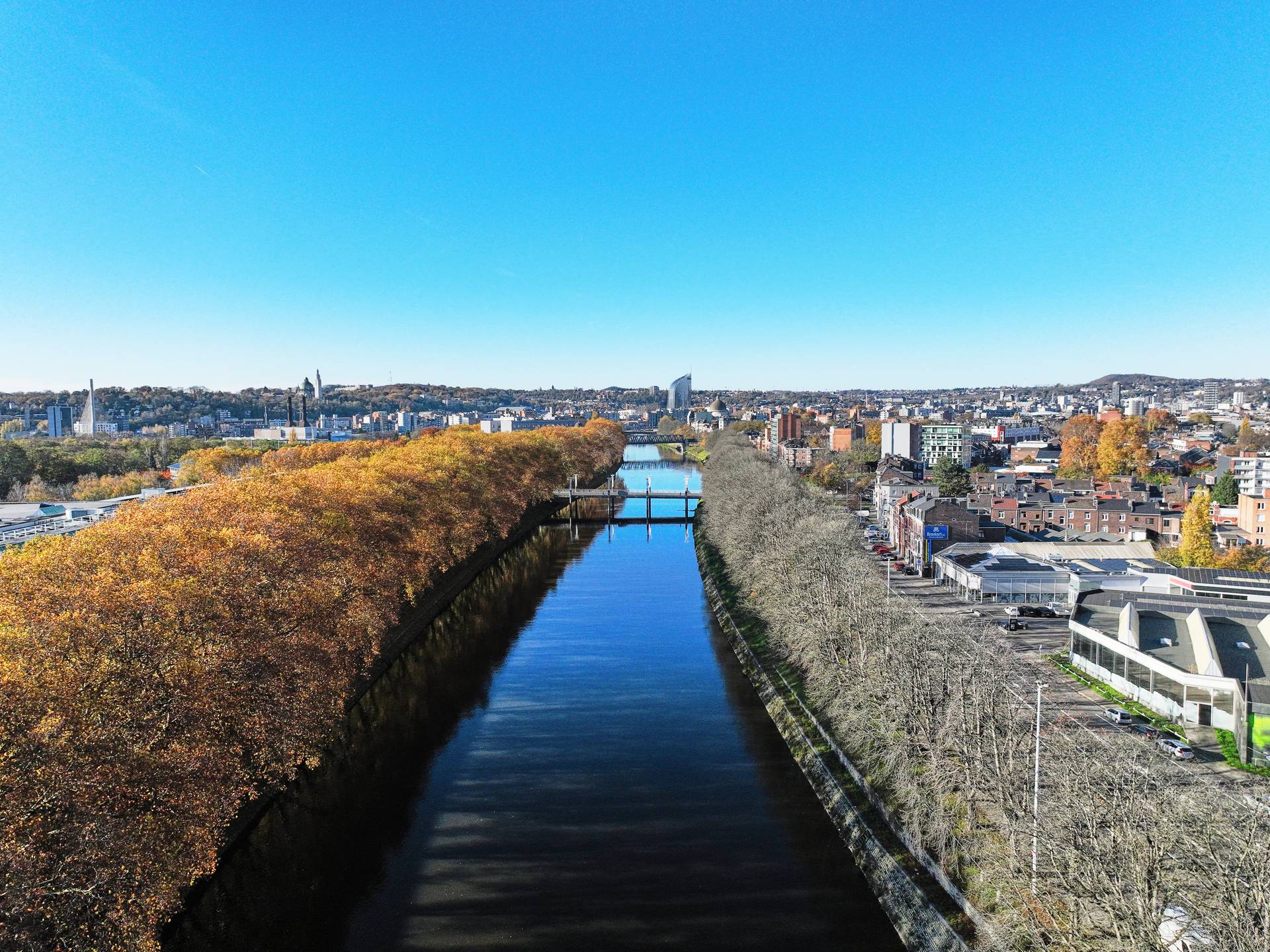
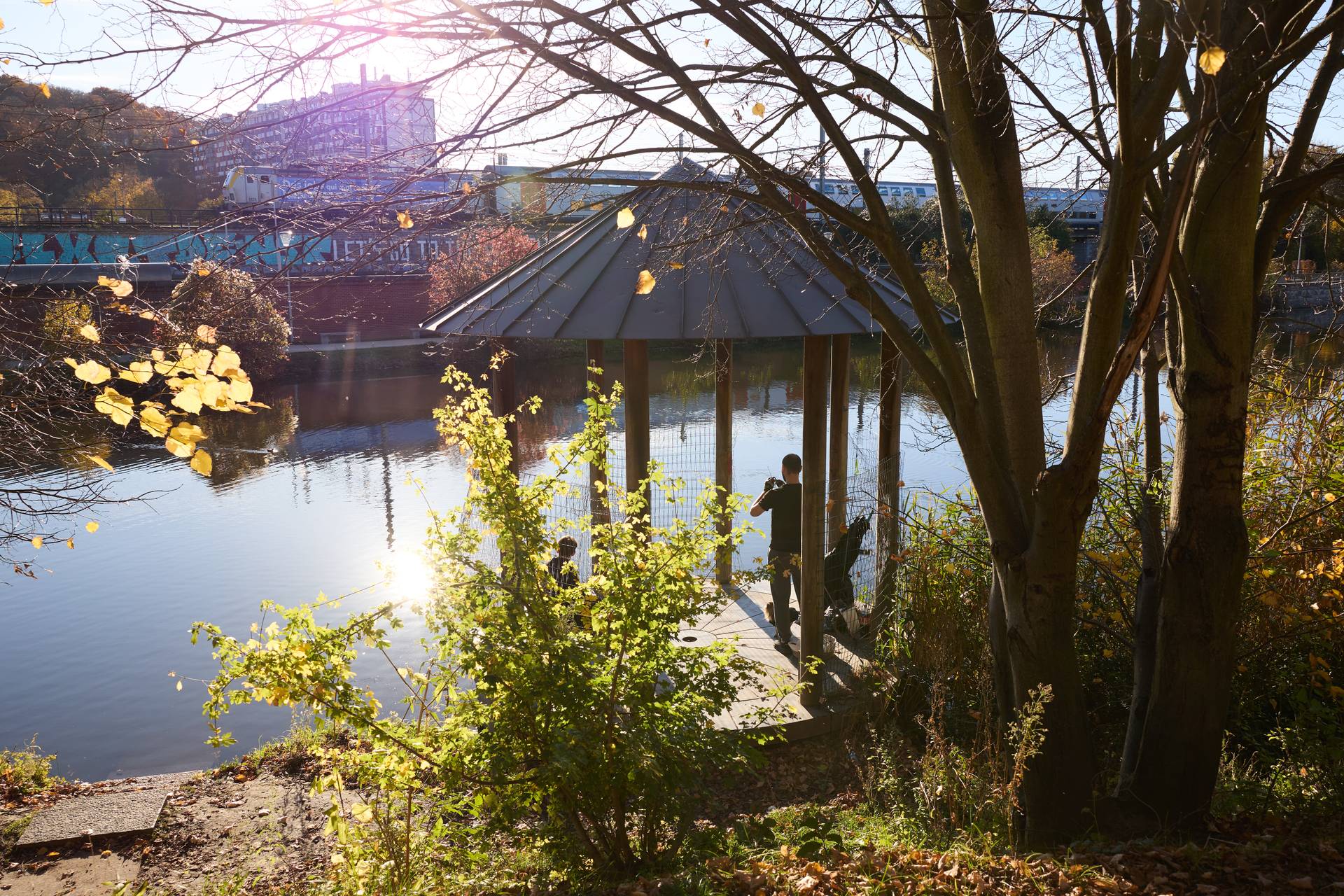
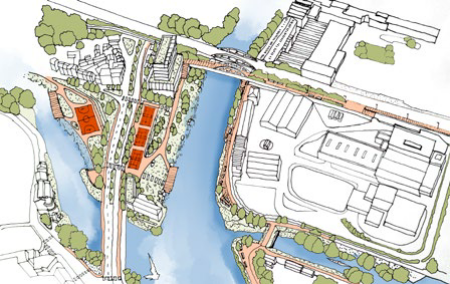
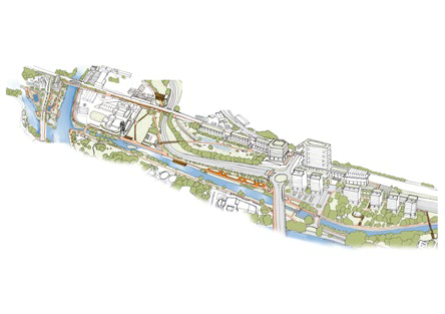
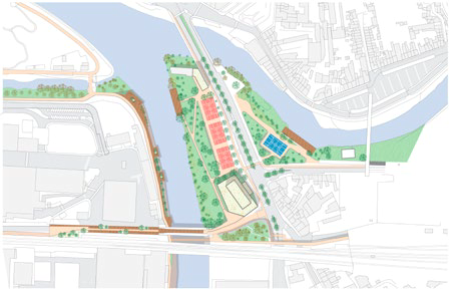
Liège itself was also badly hit by the water bomb in 2021. With an operational master plan, we are creating more space for water at the confluence of the Ourthe and the Vesder, and we are building a resilient region. Using hydrological diagnosis, we map risk zones, safe havens and expansion areas for water, for example.
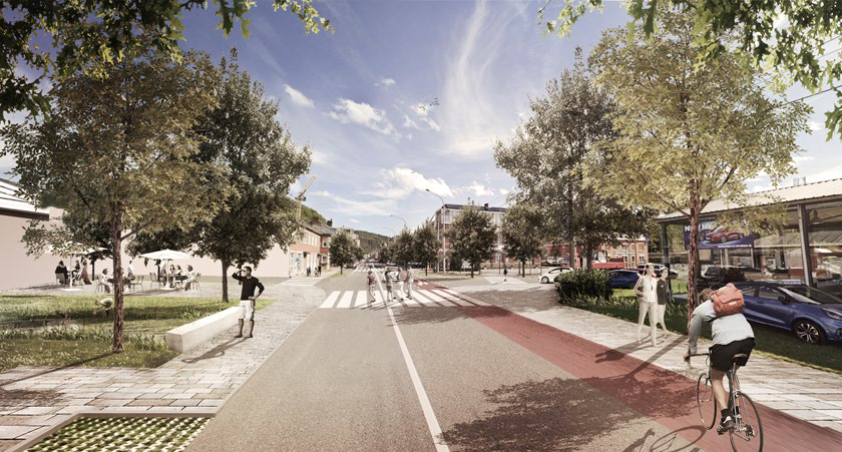
We combine natural solutions, such as temporary flooding zones in cascade and demineralisation, with technical efforts such as temporary hydraulic barriers. At the same time, we improve both mobility and accessibility. In doing so, we are connecting Angleur and Chênée stations with cycle ways and footpaths, and providing an educational trail about water, ecology and industrial heritage. This master plan illustrates our ecosystem-oriented vision: resilience emerges where people, water and landscape work as one.


RAVeL: the high line in Spa
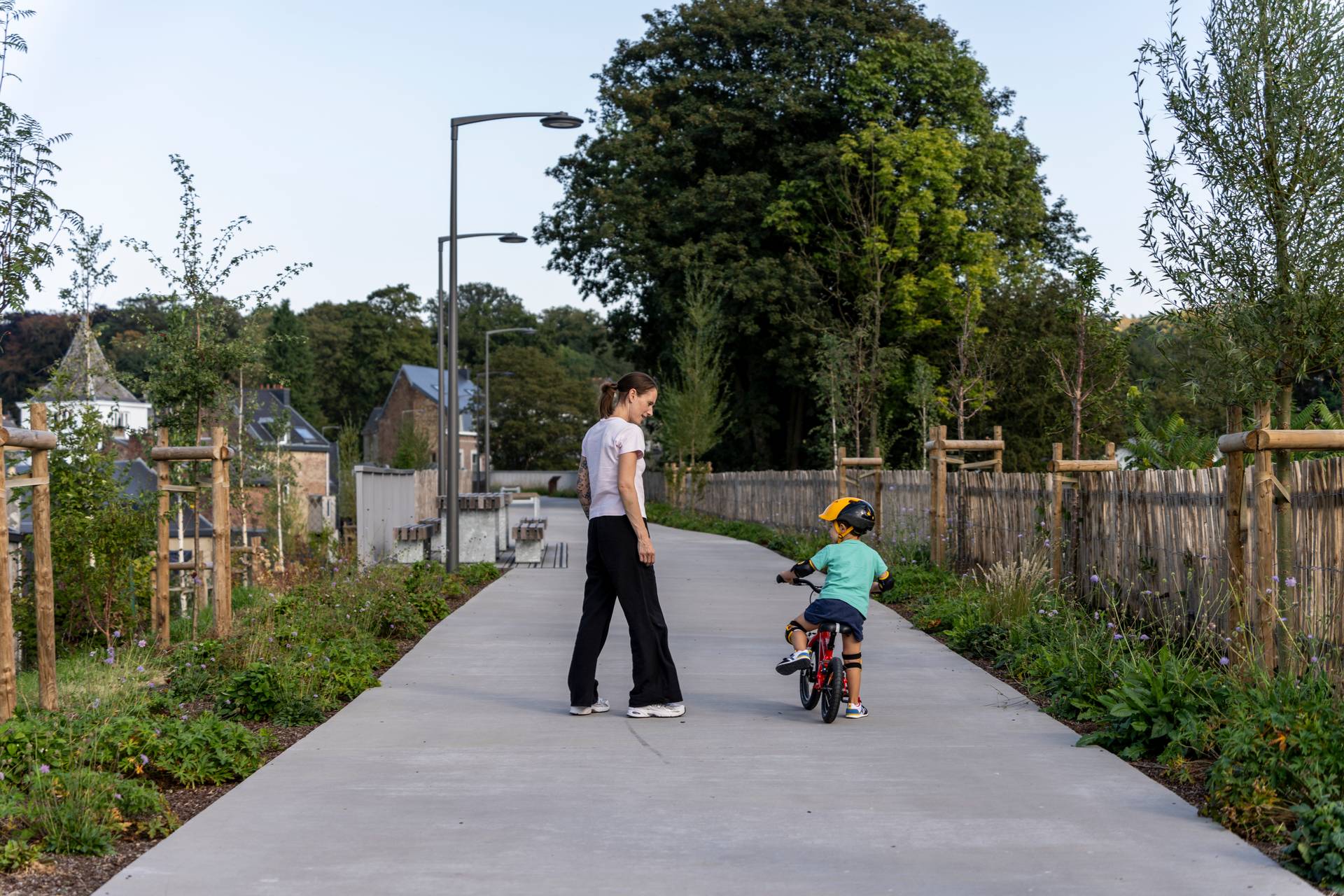
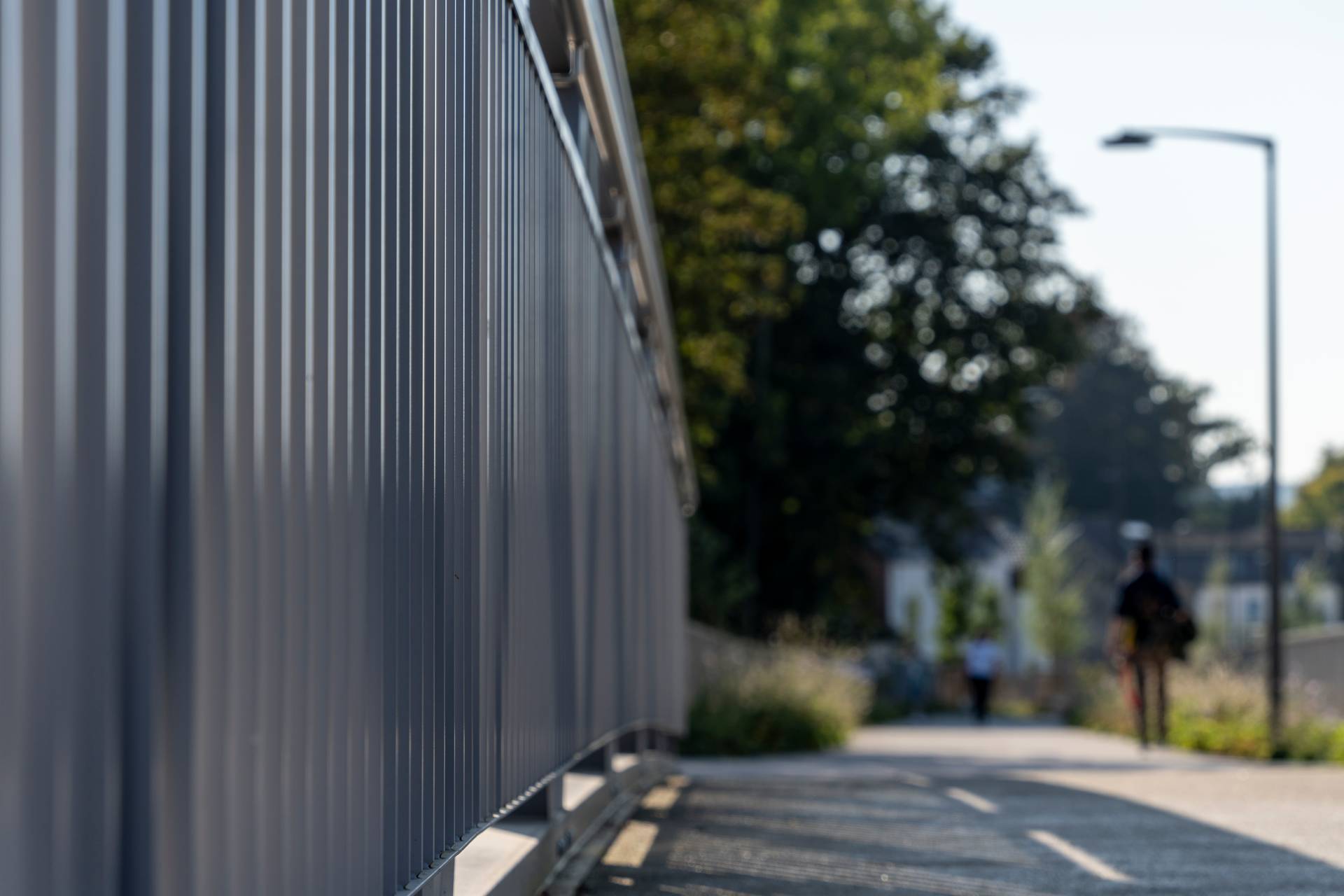
An old railway track is becoming a green artery between Spa and Stavelot. Along line L44a, we are developing a safe cycle way and footpath to improve mobility for local residents. Children can now travel safely to school, while pedestrians and cyclists enjoy tranquillity and space.
With bike parking, galvanised steel canopies and wooden rest stops, we are integrating the path into the landscape. For this surprising landscape fixture, we are taking inspiration from the High Line in New York and the Coulée verte in Paris. We are leading the design, permits, site management and safety coordination.



Beyond the floods
Everyone remembers it: the deluge in 2021. Communities in the Vesder and Ourthe valleys, like Verviers, Trooz, Rendeux and La Roche-en-Ardenne were hard hit by the fury of climate change. Today, we are aiding their recovery and future. With hydrological and urban planning studies, our attention lies on demineralisation and integrated water strategies.
We are combining urban planning, ecology, landscape, infrastructure and hydrology, whereby municipalities gain a holistic view of the systemic challenges confronting them. As well as insights, we also give direction: with a clear roadmap, concrete actions and illustrated development schemes. Here, natural solutions are key. In this way, we are helping the region to move forward, beyond the floods.